Customers can notice outdated branding before the business owners do. Competitors start looking sharper, the website feels older, or the company no longer matches the image people expect from it. That’s usually when businesses start thinking about brand equity rebranding.
The challenge is updating the brand without losing what customers already recognize, and this guide will show you how to do it the right way.

Rebrand vs Refresh
The difference between a rebrand vs refresh comes down to how much of the brand changes.
A refresh updates parts of the existing brand identity while keeping the core recognition intact. That may include logo refinements, updated typography, cleaner messaging, modernized visuals, or a more consistent tone. The goal is to improve the brand without confusing existing customer.
A rebrand changes the brand at a deeper level. It may involve factors such as:
- a new positioning,
- different audience targeting,
- a new visual identity,
- renamed products,
- or a complete shift in how the company presents itself.
Over time, customers get used to a brand’s visuals, messaging, and overall identity. The more recognizable and trusted the company becomes, the stronger its brand equity grows. Major or unnecessary changes can weaken that recognition and make the brand feel unfamiliar.
This is why branding experts recommend evolving recognizable elements instead of replacing everything at once.
Why Companies Rebrand
Companies usually rebrand when the current identity no longer reflects the business itself.
Common reasons include:
- entering a new market,
- targeting a different audience,
- outdated positioning,
- mergers,
- reputation problems,
- or major business growth.
When to Refresh vs Rebrand
Knowing when to rebrand matters because major changes can strengthen a company or make it harder for customers to recognize:
- A refresh works best when customers already recognize and trust the brand, but the visuals, messaging, or overall presentation feel outdated.
- A full rebrand makes more sense when the business changes direction, targets a different audience, enters a new market, or struggles with a damaged reputation. That’s usually the point when updating the logo alone is no longer enough.
Signs It’s Time For a Rebrand
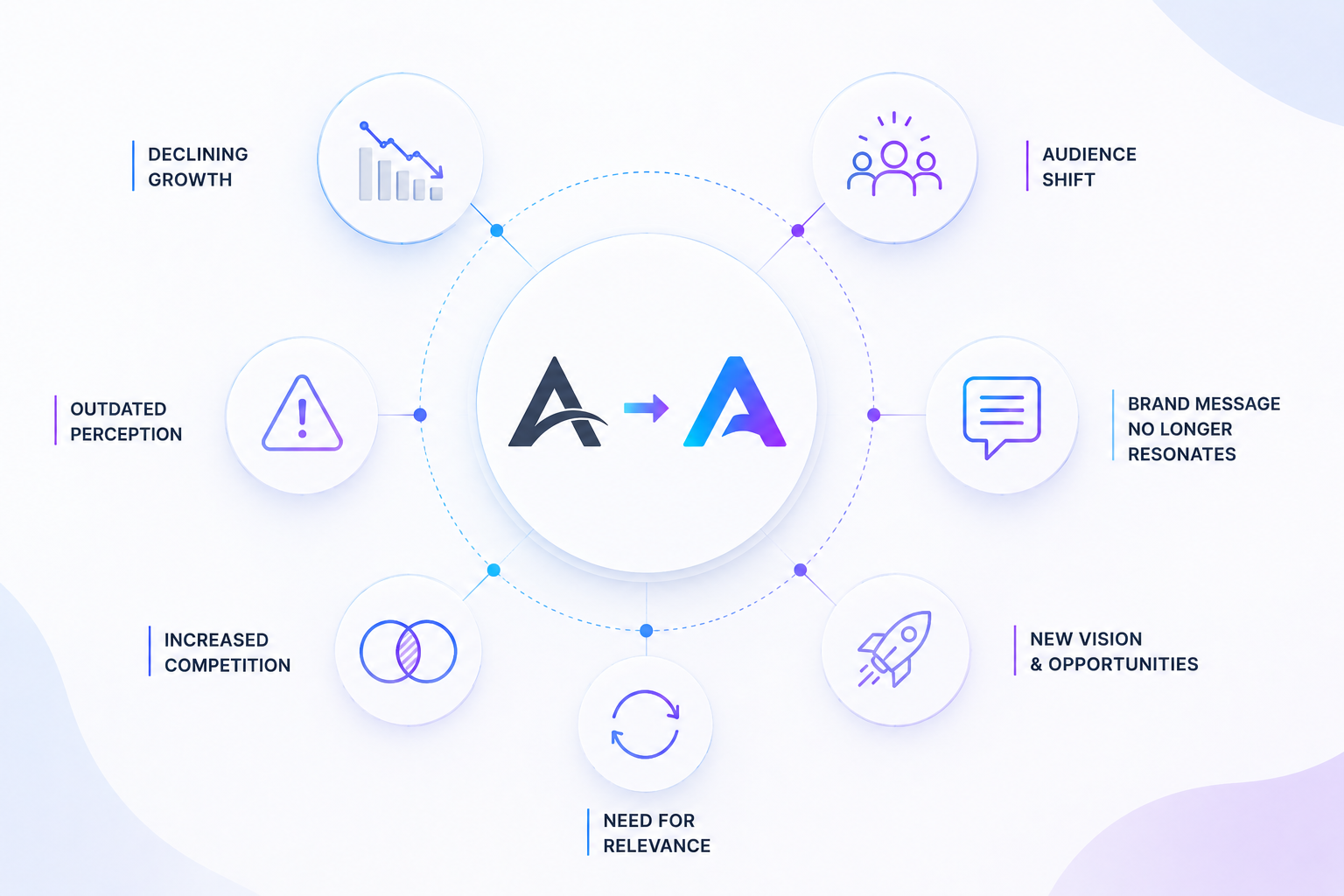
Many of the biggest signs you need a rebrand appear when the business keeps evolving while the branding stays the same:
- Market expectations changed
Competitors improved their websites, messaging, and customer experience, while the brand still looks stuck several years behind. - Different customers now buy from the company
The branding was built for one audience, but the business now sells to different people with different expectations. - A merger or acquisition happened
Two companies combined, but both brands still exist separately through different logos, messaging, or visual styles. - Business growth outpaced the branding
The company started offering more services or entering larger markets, but the branding still makes it look small or limited. - Outdated visuals weakened the brand
The website, logo, or messaging make the business look older than it actually is. - Inconsistent branding became noticeable
The website uses one style, social media uses another, and marketing materials follow different visuals or tone. - The original branding was rushed
The company started with a cheap logo, template website, or rushed branding that no longer matches the quality of the business today.
How to Rebrand Without Losing Existing Customers
One of the biggest mistakes companies make during a rebrand is changing too much too quickly.
Customers stop recognizing the business, while search traffic and brand familiarity start dropping. That’s why understanding how to rebrand without losing customers matters as much as the redesign itself.
Let’s say you’re the owner of a local bakery. The business started with simple birthday cakes and homemade branding. A few years later, you expanded into wedding cakes, dessert tables, and premium catering. The business grew, but the old branding still made the bakery look small and outdated.
Audit What Customers Already Recognize
Before changing anything, you first identify:
- best-selling cakes,
- recognizable colors,
- packaging customers already know,
- branded search terms,
- and pages that already bring traffic through digital marketing strategy.
Those familiar elements already carry recognition and trust, which makes them important parts of brand equity rebranding. Removing them completely would make the bakery harder for existing customers to recognize
Make a List of What Needs to Change
The homemade-style branding no longer matches the quality of the cakes or the larger audience the bakery now attracts.
Also, the old logo looks too simple, the website feels outdated, and the messaging still makes the business sound like a small neighborhood cake shop instead of a premium bakery for weddings and large events.
This is also where you start noticing the real cost of cheap websites, generic branding, and poor mobile experience. These can make your company look less professional than competitors.
Update the Brand Without Breaking Familiarity
Instead of replacing everything, you keep the recognizable color palette and cake box design while updating the logo, typography, and website layout.
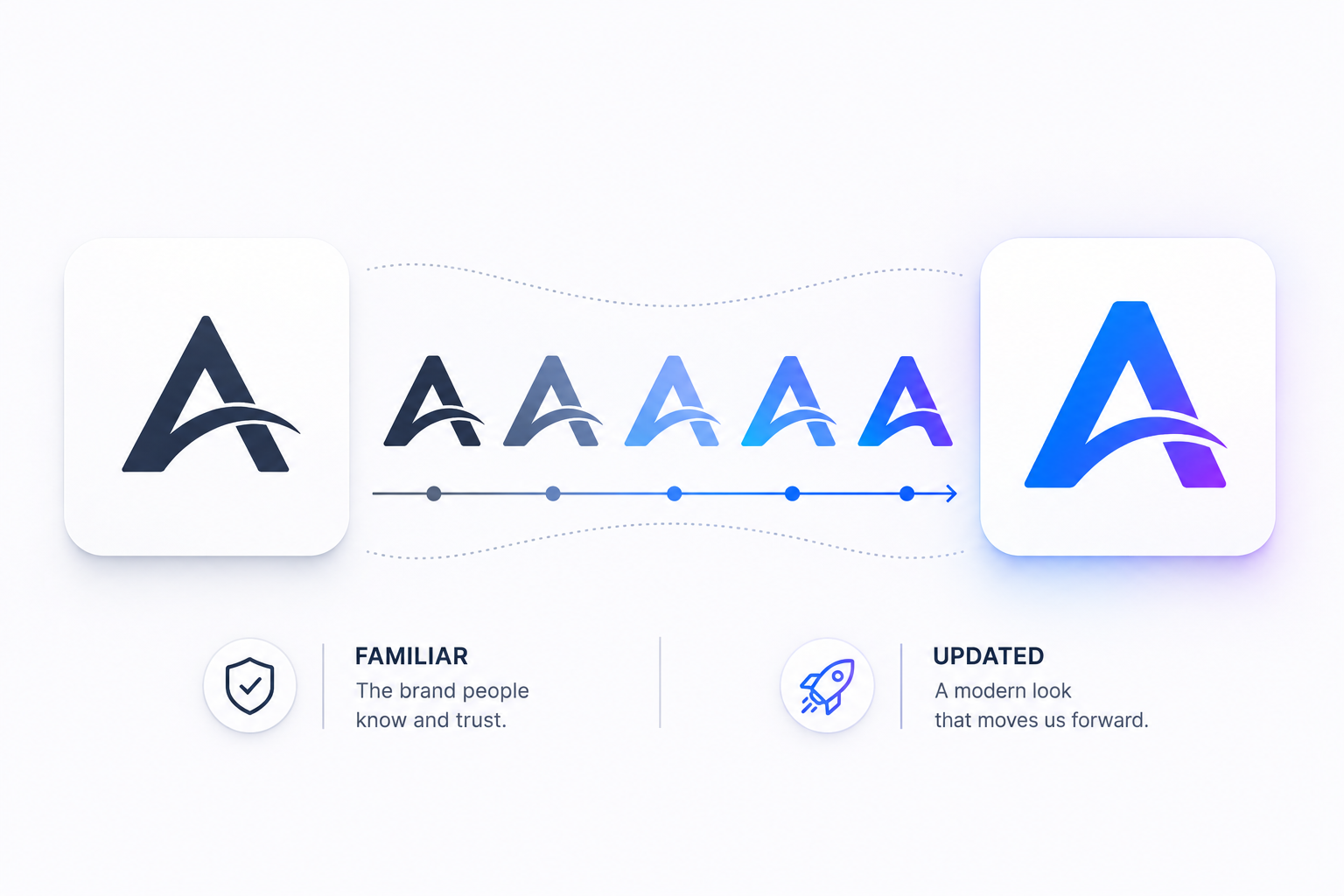
That way, existing customers can still recognize the business after the update.
Protect SEO and Digital Visibility
The bakery keeps important URLs, redirects old pages correctly, and preserves content that already helps rank your website organically. Major website changes happen gradually to avoid hurting rankings or confusing customers.
Launch the Rebranding Across Platforms at Once
Once the updated branding goes live, customers should keep seeing the same visuals, messaging, and tone everywhere. Your website, social media pages, emails, ads, and packaging should all match.
If different platforms still use different logos, colors, or messaging, customers may stop recognizing the bakery. That’s why you need to be careful about brand inconsistency during the rebrand.
Ready to Rebrand the Right Way?
Now that you know how to rebrand without losing recognition, the goal is to make the business feel updated without making it feel unfamiliar.
If you need help planning or launching a rebrand, our expert team at Jungle Creatives can help you manage the transition smoothly across your website, branding, and marketing channels.

%20(1).jpg)