When a business launches a structured digital strategy, one of the first questions that comes up is simple: When will we see results? It’s a fair question, but it often comes with unrealistic expectations. The truth is that a strong strategy follows a logical progression. There are foundations to build, signals to send, systems to test, and optimizations to refine. Understanding the digital marketing results timeline helps set realistic expectations and prevents frustration in the early stages. Therefore, we’ll walk you through what typically happens during the first 90 days of a valid digital strategy. From research and setup to early performance signals. Also, we will explain why meaningful results take time. Let’s take a look.
Understanding the Digital Marketing Results Timeline
A serious digital strategy is not a quick campaign. It’s a structured process that builds momentum over time.
The digital marketing results timeline usually follows this pattern:
- Month 1: Research and technical groundwork.
- Month 2: Positioning and early optimization.
- Month 3: Initial traction and performance signals.
This progression exists because digital ecosystems, such as search engines, social platforms, advertising systems, and their respective audiences, require time to gather data and respond. Asking how long to see results from digital marketing strategy is natural. But the answer depends on what kind of “results” you mean: visibility, traffic, engagement, or revenue. Now, let’s break down the first 90 days in detail.
Days 1–30: Research, Technical Setup, and Strategic Foundations
The first month is foundational.
1. Market & Audience Research
Every valid strategy begins with clarity:
- Who is the target audience?
- What problems are they trying to solve?
- What language do they use?
- What competitors are doing well?

This stage shapes messaging, channel selection, and content direction. Skipping it leads to misalignment and wasted budget.
2. Technical Infrastructure
The technical layer is critical during this phase:
- Analytics setup.
- Tracking pixels.
- Conversion tracking.
- SEO technical audit.
- Website performance checks.
Without accurate tracking, it’s impossible to evaluate the digital marketing results timeline properly. Data must be clean from day one.
3. Strategic Positioning
Positioning defines how the brand differentiates itself. This includes:
- Value proposition refinement.
- Messaging framework.
- Core service/product positioning.
- Tone and communication guidelines.
At the end of the first 30 days, you typically won’t see dramatic growth. But you will have something more important, a stable and measurable system. This is often where people start asking, how long to see results from digital marketing strategy? But the honest answer is that the groundwork must be completed before measurable traction appears.
Days 31–60: Early Optimizations and Initial Signals
The second month is when activity becomes visible. Campaigns go live, content is published, and ads start running. Also, SEO optimizations are implemented. This is the “movement” phase.
What Happens During This Period?
- Content production aligned with keyword and audience research.
- On-page SEO adjustments.
- Paid campaigns testing (if applicable).
- UX improvements based on early data.
- Performance monitoring and minor adjustments.
At this point in the digital marketing results timeline, you begin to see early indicators:
- Increased impressions.
- Slight traffic growth.
- Initial engagement improvements.
- Early lead activity.
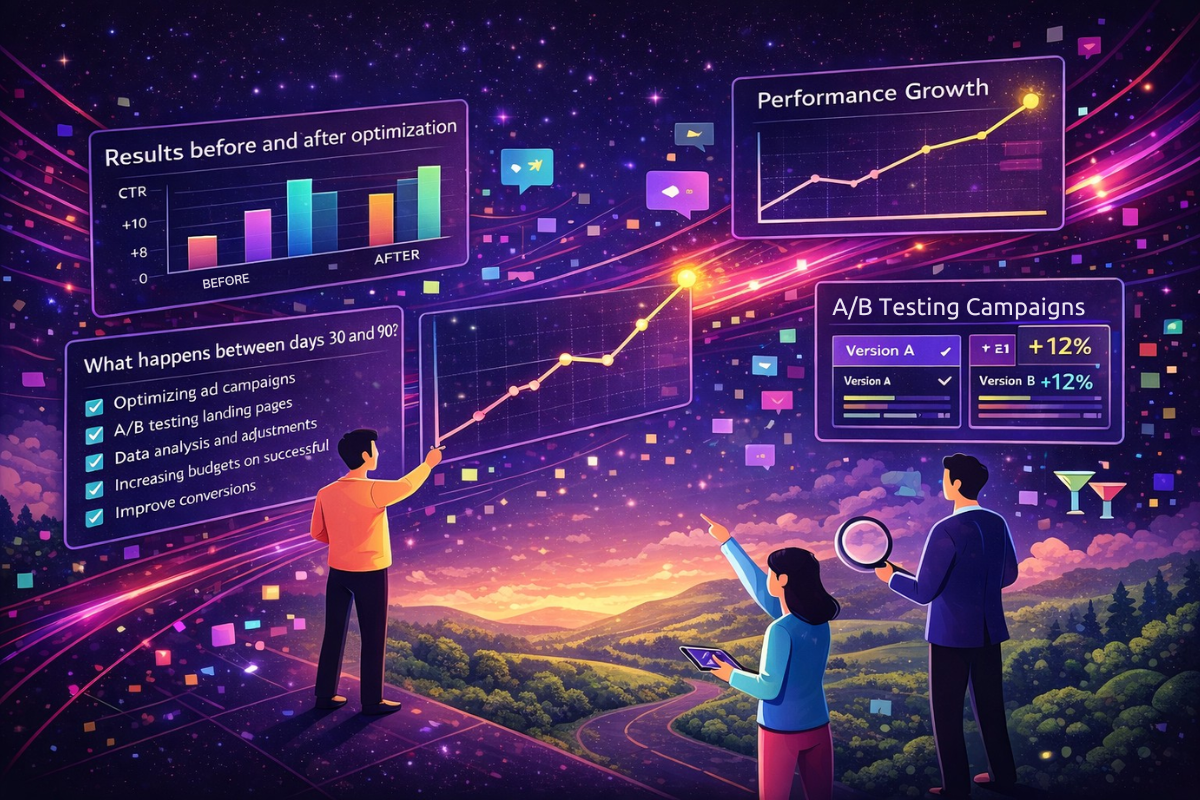
These are not final outcomes. They are signals, and they show the system is working. For many businesses wondering how long to see results from a digital marketing strategy, this stage provides reassurance. You may not have explosive growth yet, but the trajectory becomes clearer.
Days 61–90: Validation, Refinement, and Early Momentum
The third month is where patterns start emerging. By now, platforms have accumulated enough data to optimize delivery. Search engines begin responding to structured content. And advertising algorithms improve targeting accuracy. This is when the digital marketing results timeline shifts from setup to validation.
What Typically Improves in This Phase?
- More stable traffic patterns.
- Improved cost-per-click or cost-per-lead (if running ads).
- Better engagement metrics.
- Higher keyword positioning (for SEO efforts).
- More predictable lead flow.
This is also when strategic decisions become clearer:
- Which channels deserve more investment?
- Which messages resonate most?
- Which campaigns need adjustment?
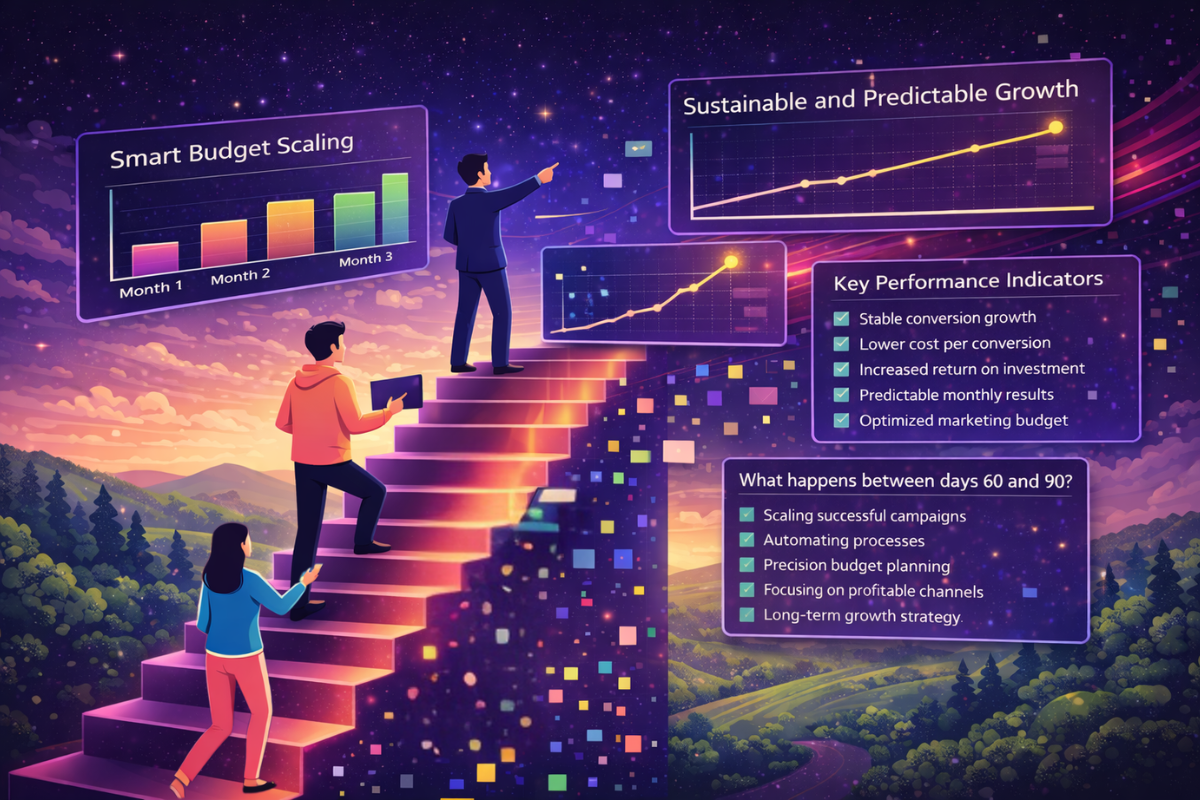
The question of how long to see results from a digital marketing strategy often becomes less stressful here because tangible improvements start to show, even if revenue growth is still building.
Why Meaningful Results Take Time
Digital platforms rely on data accumulation and behavioral signals. Algorithms reward consistency, clarity, and quality. Not sudden bursts of activity. So, there are three main reasons why the digital marketing results timeline cannot be rushed:
- Data collection requires volume and time.
- Search engines evaluate authority gradually.
- Audience trust builds through repeated exposure.
This progression is especially relevant for long-term models like inbound strategies. Many businesses ask how long to see results from inbound marketing, and the answer follows the same logic: sustained effort compounds over time. Impatience often leads to constant strategic changes, which reset momentum and extend the timeline unnecessarily.
Common Misconceptions About Early Results
It’s helpful to address a few myths that distort expectations:
- “If nothing explodes in 30 days, the strategy failed.”
- “Ads should generate immediate profit.”
- “SEO isn’t working at all, or it works instantly.”
- “More activity equals faster results.”
These assumptions ignore how the digital marketing results timeline actually works. Because early activity builds signals. Signals create optimization opportunities, and optimization leads to scalable growth. Instad of asking how long to see results from a digital marketing strategy, the better question is: Are we seeing the right progression of signals?
What You Should Expect by Day 90
By the end of the first three months, a well-structured strategy should deliver:
- Reliable tracking and analytics.
- Clear audience insights.
- Initial traffic growth.
- Improved visibility or ad efficiency.
- Measurable engagement improvements.
- Early lead or conversion activity.
You may not yet have peak performance, but you should have direction, validation, and measurable progress. The digital marketing results timeline at 90 days is about momentum, not completion.
Are you ready for a day one?
The first 90 days of a valid digital strategy are about building foundations, generating signals, and validating direction. Research informs positioning, technical setup ensures measurement, early optimizations refine performance, and initial signals confirm that the system is gaining traction. Understanding the digital marketing results timeline prevents unrealistic expectations and allows businesses to focus on steady, logical growth. When asking how long to see results from a digital marketing strategy, the most honest answer is this: meaningful results follow structure, consistency, and time. Digital growth is rarely instant. But when built correctly, it becomes predictable, scalable, and sustainable.

%20(1).jpg)